
Microcement Bathrooms2026-10-29T08:47:53-04:00

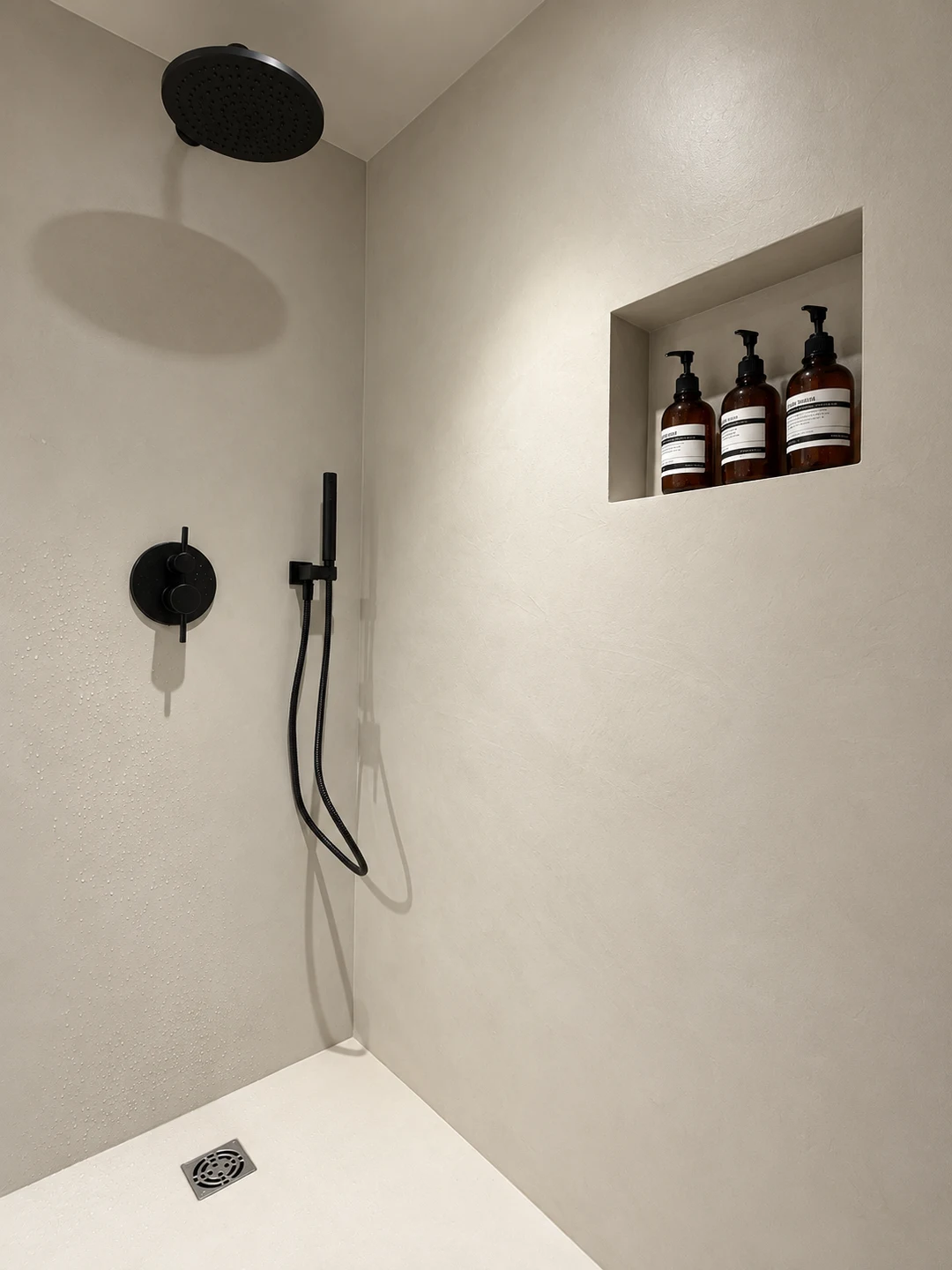
Microcement Bathroom & Shower Contractors in Toronto

Seamless, hand-trowelled microcement for bathroom walls, floors, showers and selected details. We assess existing tile, substrate condition, drainage and waterproofing before specifying the right system.

Microcement bathroom and shower projects · Toronto and GTA
Microcement Bathroom & Shower Contractors in Toronto

Seamless, hand-trowelled microcement for bathroom walls, floors, showers and selected details. We assess existing tile, substrate condition, drainage and waterproofing before specifying the right system.

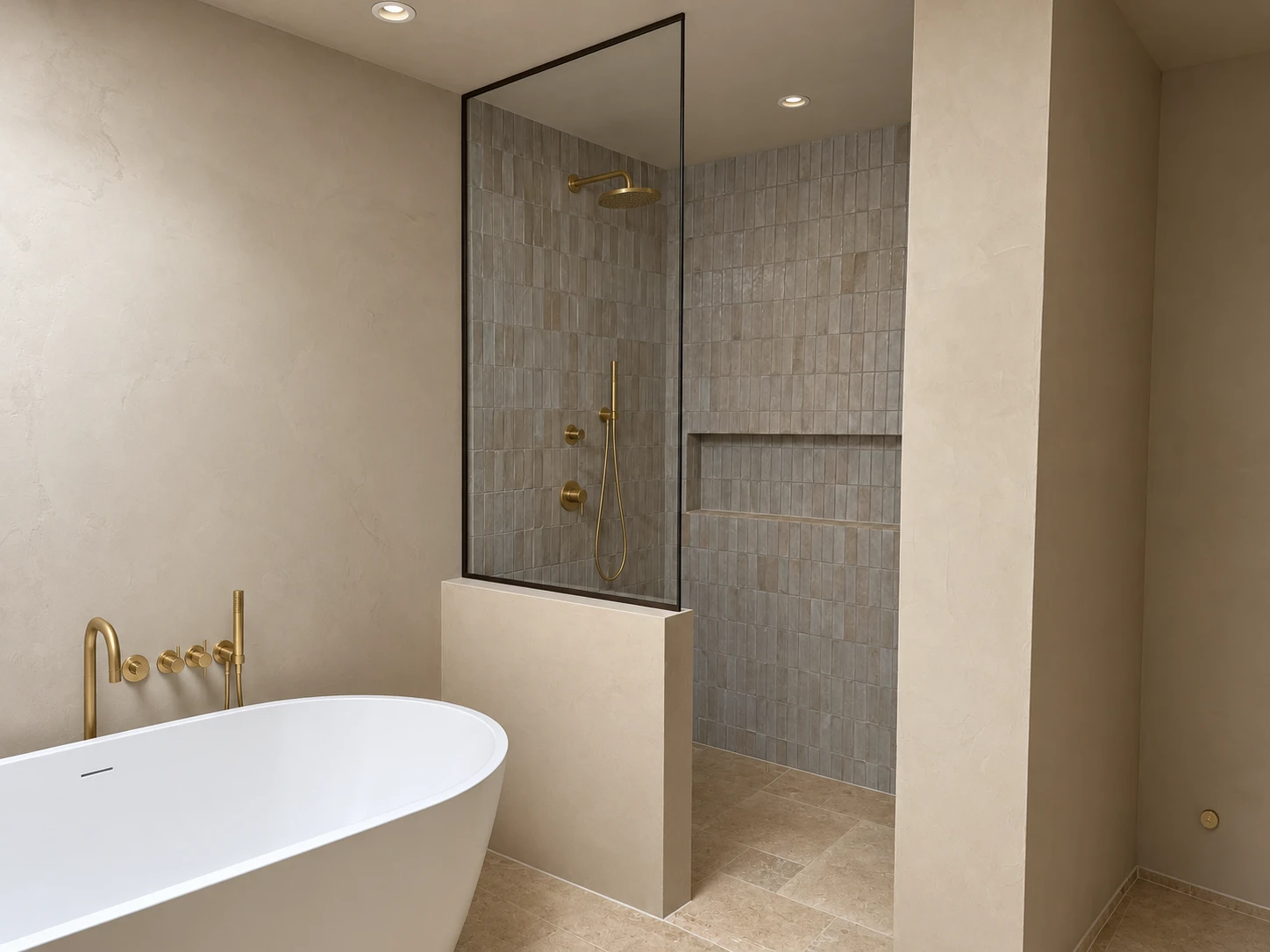
Monolithic Design: Floor-to-Wall Microcement in Richmond Hill

Seamless Bathroom Surfaces, Designed for Daily Use

Microcement creates a calm, continuous finish across carefully prepared bathroom walls, floors, showers and selected details. Each project is assessed for substrate condition, drainage and waterproofing before we specify the system.

Hand-trowelled microcement for Toronto and GTA bathrooms, showers, walls and floors.

A Bathroom Surface That Lets the Room Flow

Walls, Floors and Details: One Considered Material Language
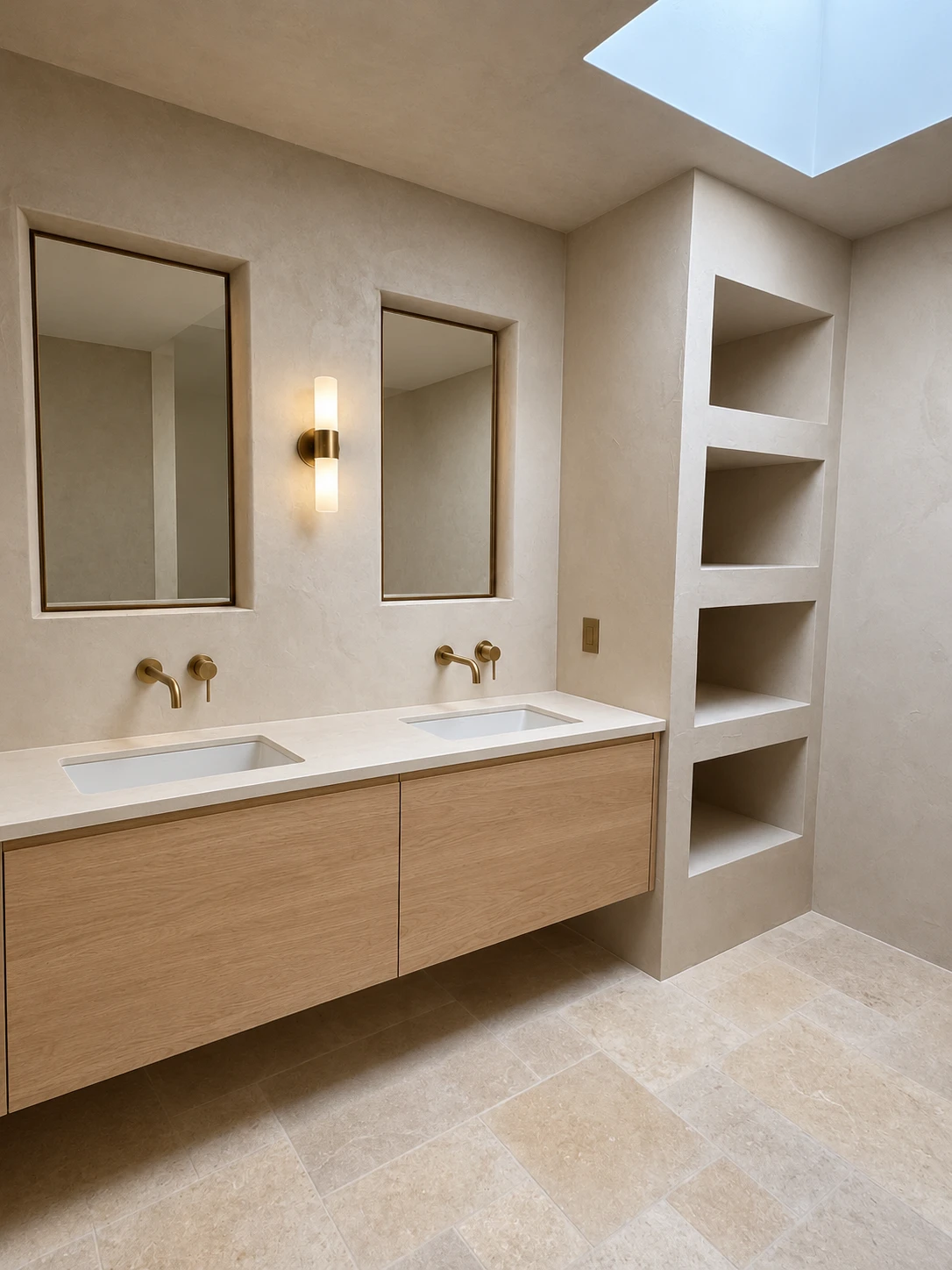
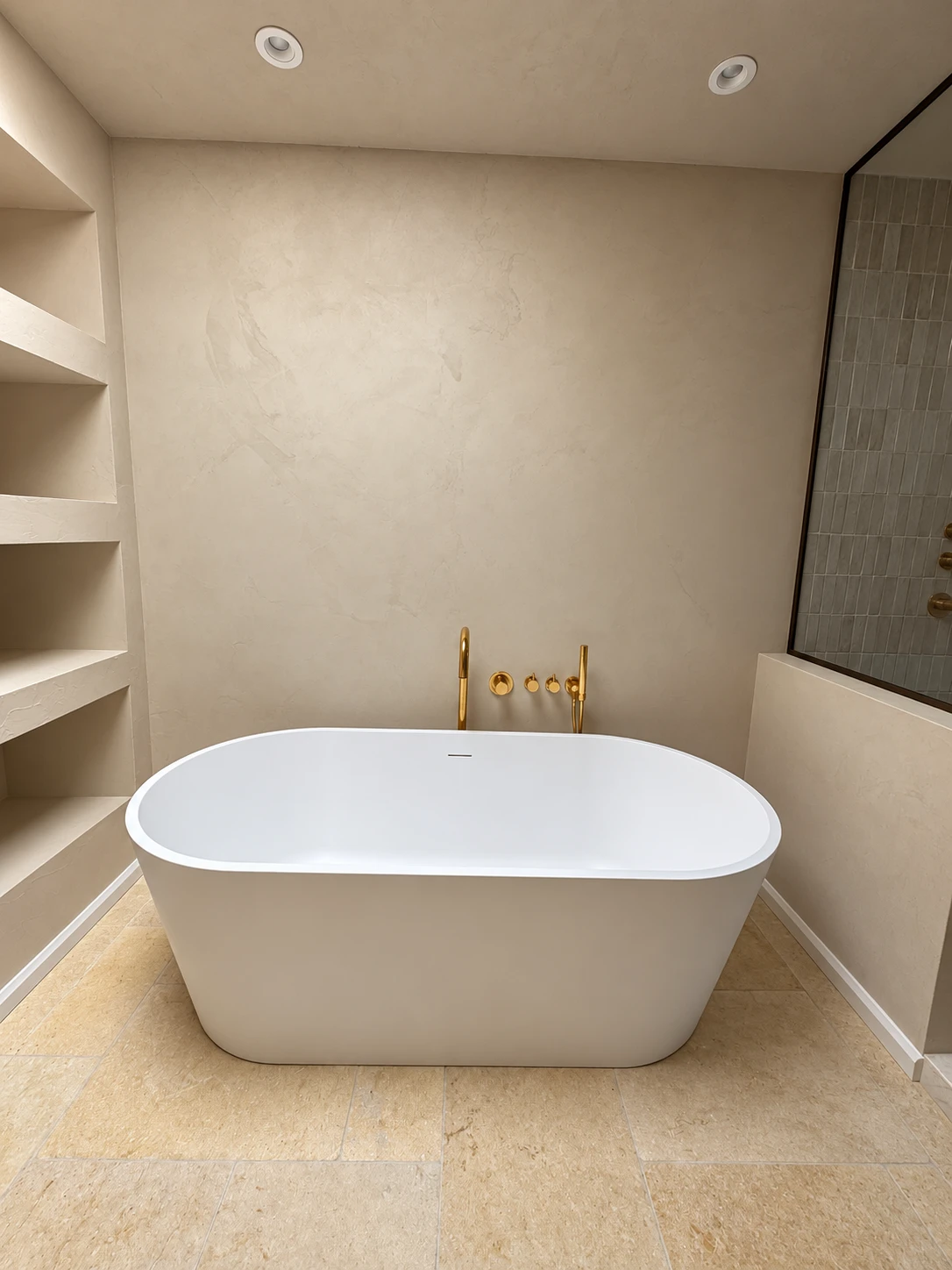
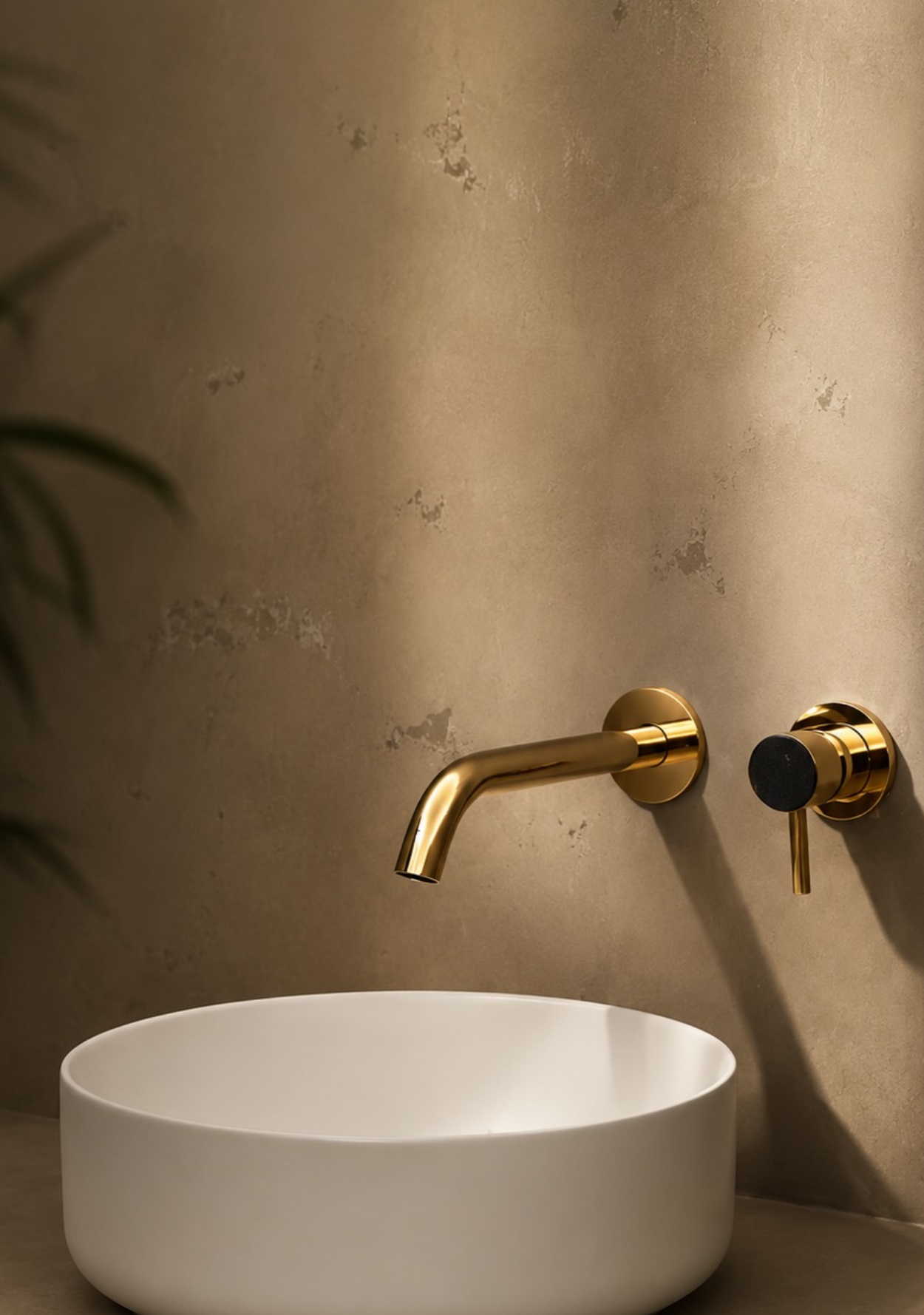
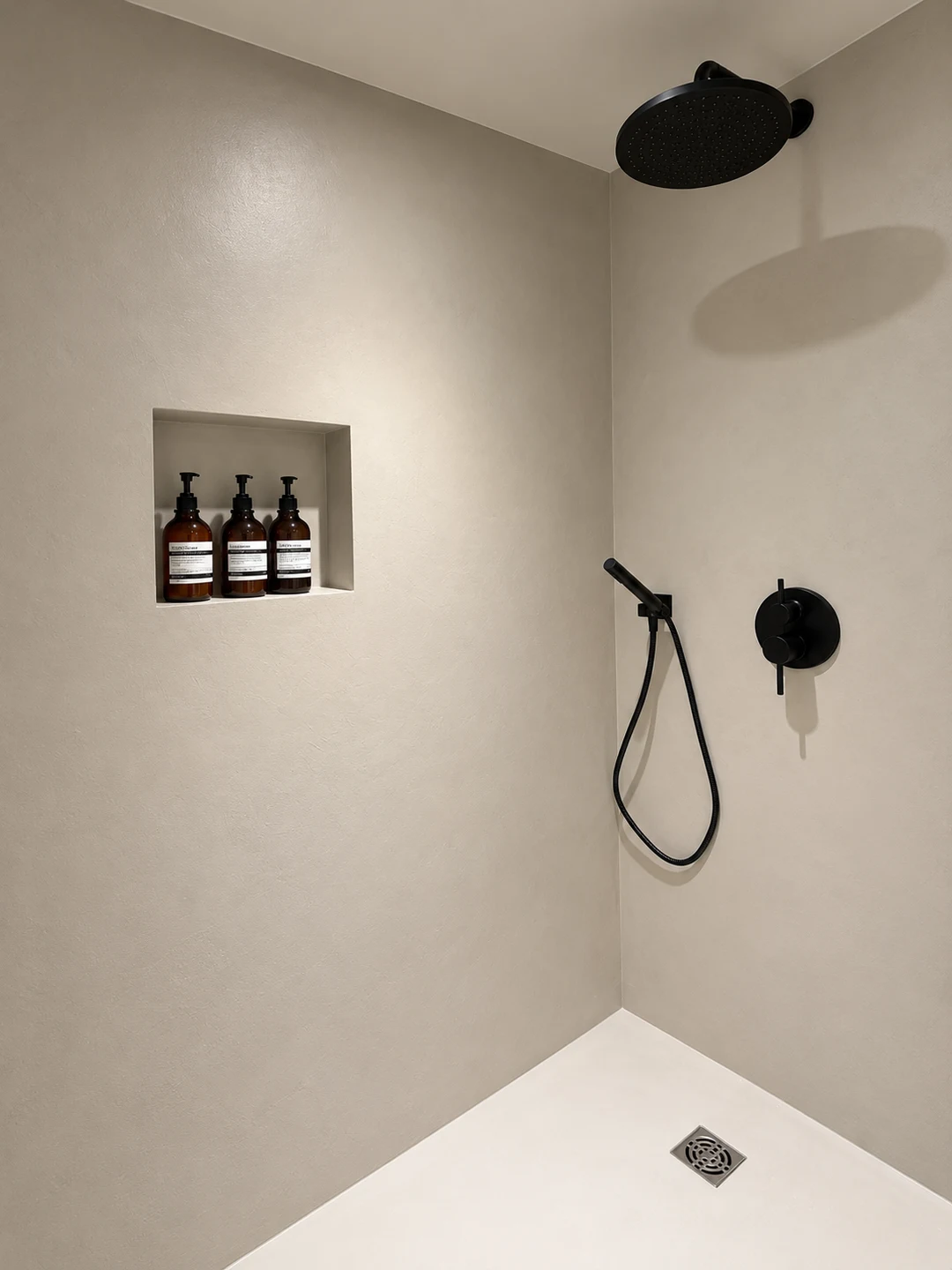
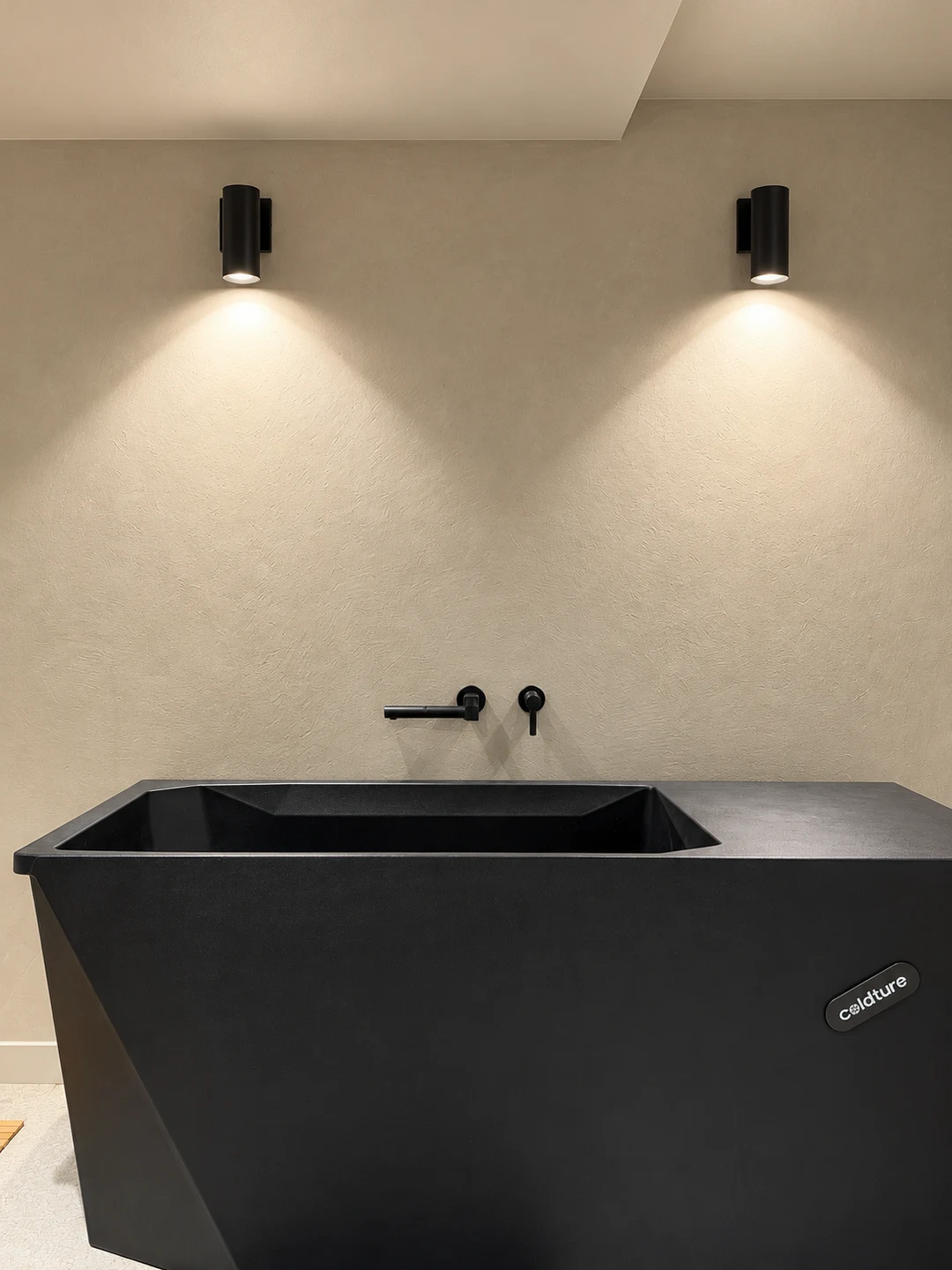
Microcement is not limited to floors. In a bathroom, it can carry a considered finish across walls, floors and selected built-ins, reducing visible transitions and grout lines. Samples, edge details and lighting help determine the right colour and texture for the room.

The suitability of existing surfaces, including tile, is reviewed as part of the project assessment.
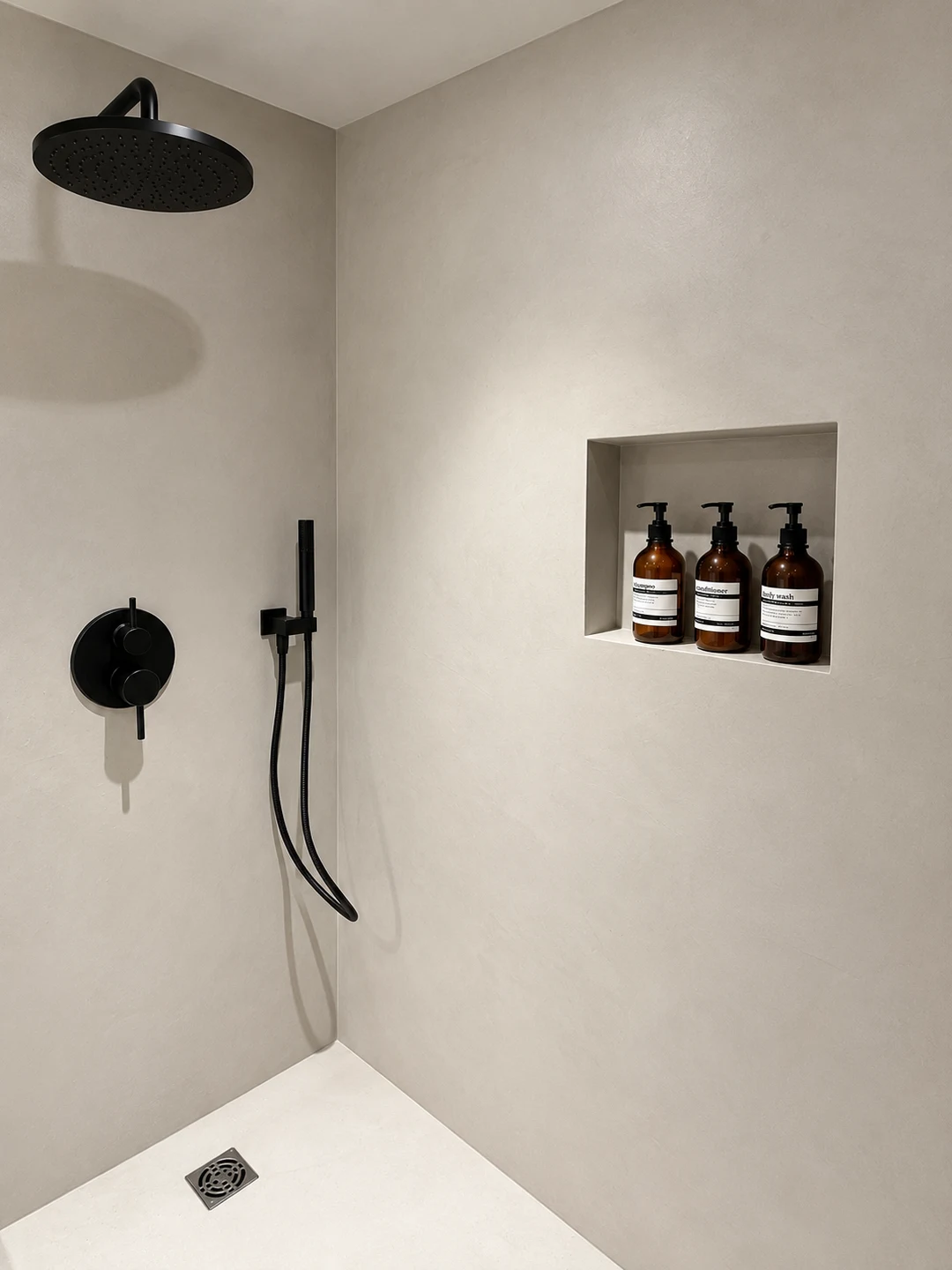
  • Seamless Floors: Microcement may be applied over suitable prepared substrates, including existing tile, where condition, levels and movement are assessed first.

  • Architectural Walls: Prepared drywall and plaster can take on a tactile, hand-finished surface that relates to the rest of the bathroom.

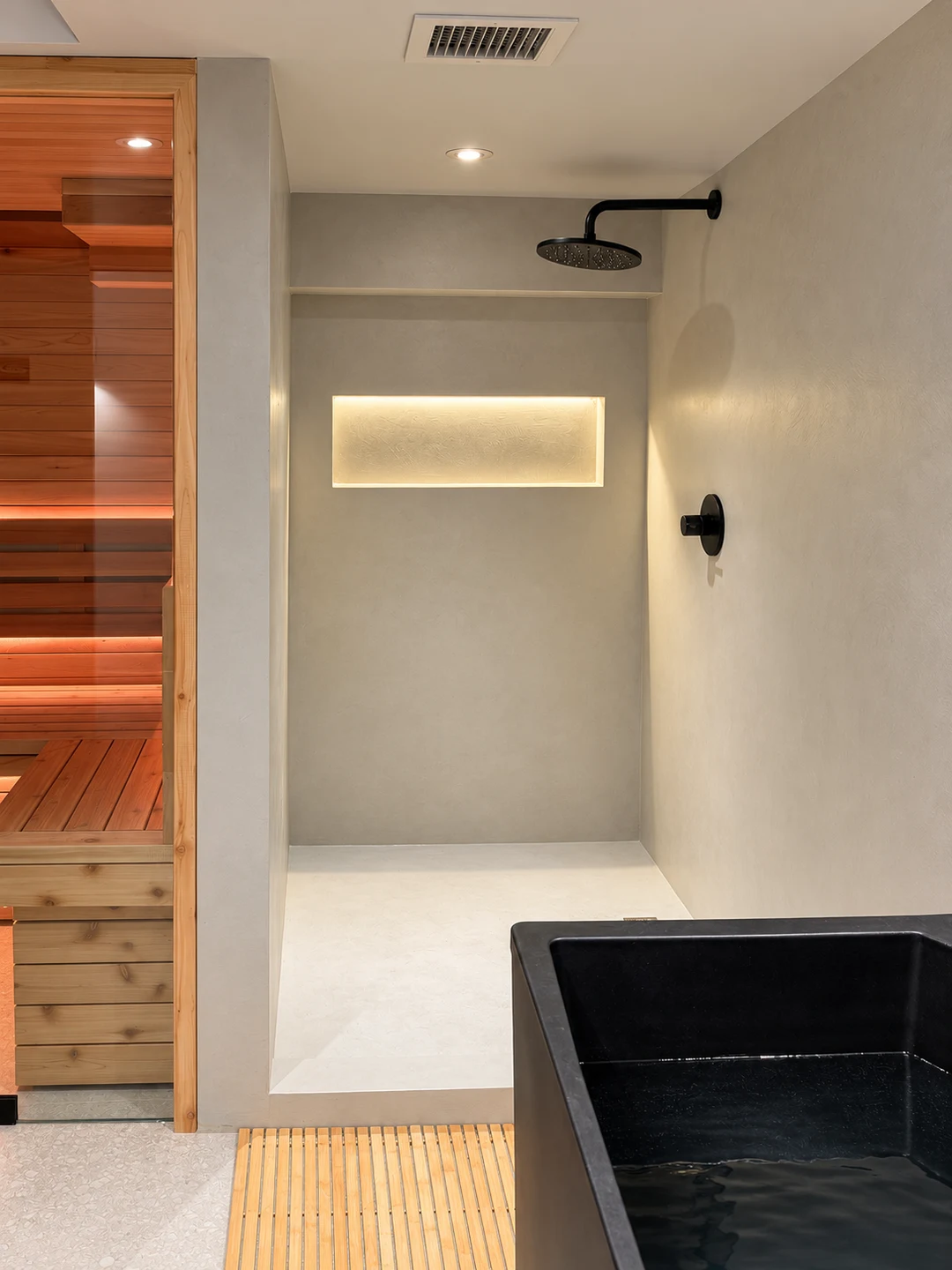
  • Showers and Wet Areas: Showers, floors and integrated vanities require a project-specific waterproofing and drainage strategy before the finish is applied.

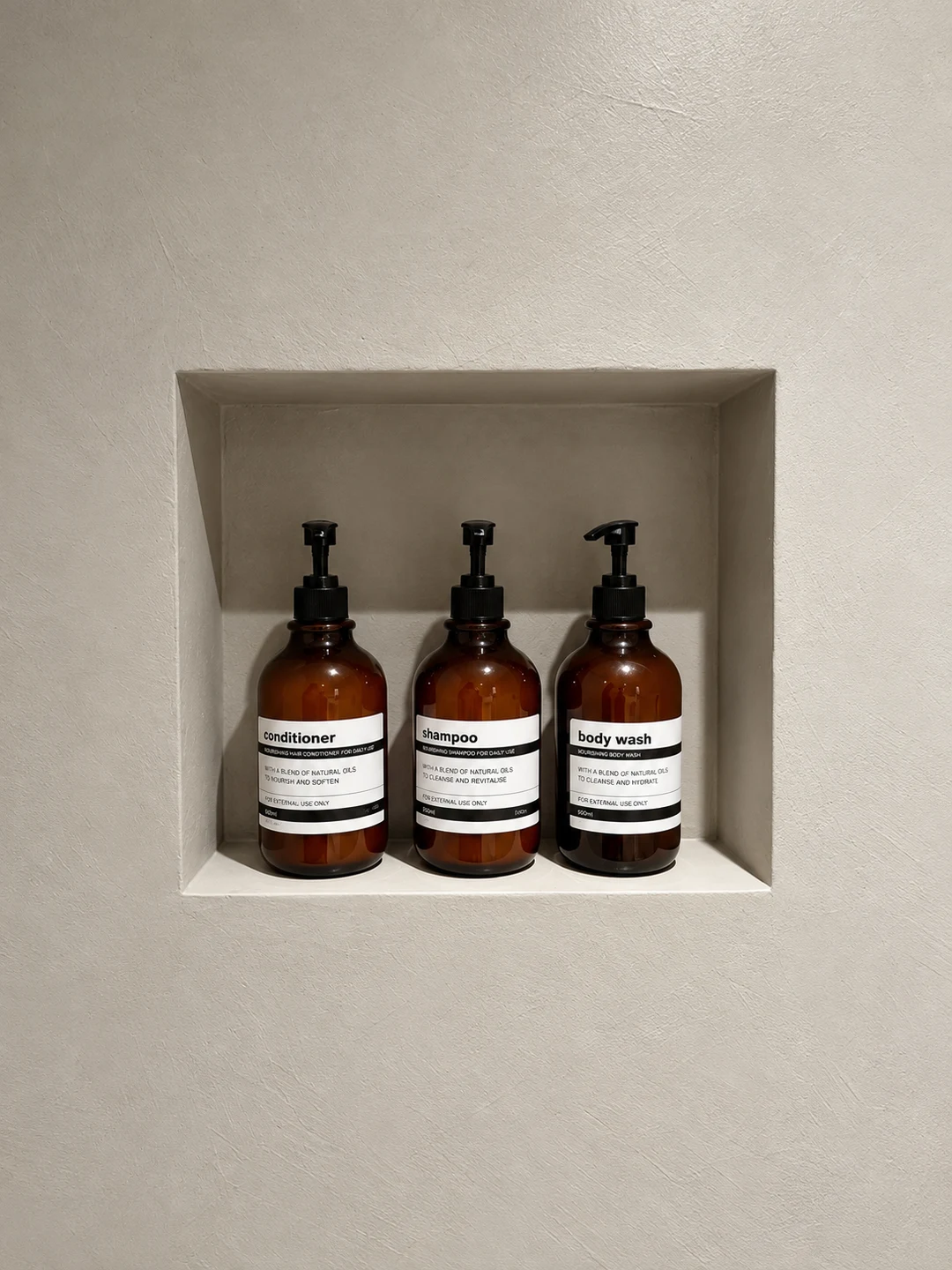
  • Feature Elements: Considered niches, vanities and other built-ins can extend the material palette; see our microcement fireplace work for another architectural application.

  • Material Continuity: A considered material palette can extend to selected built-ins where conditions allow.

  • Project Assessment: Surface selection should reflect the room, substrate and expected use.

Microcement bathroom and shower projects · Toronto and GTA

Waterproof Microcement Shower Systems in Toronto

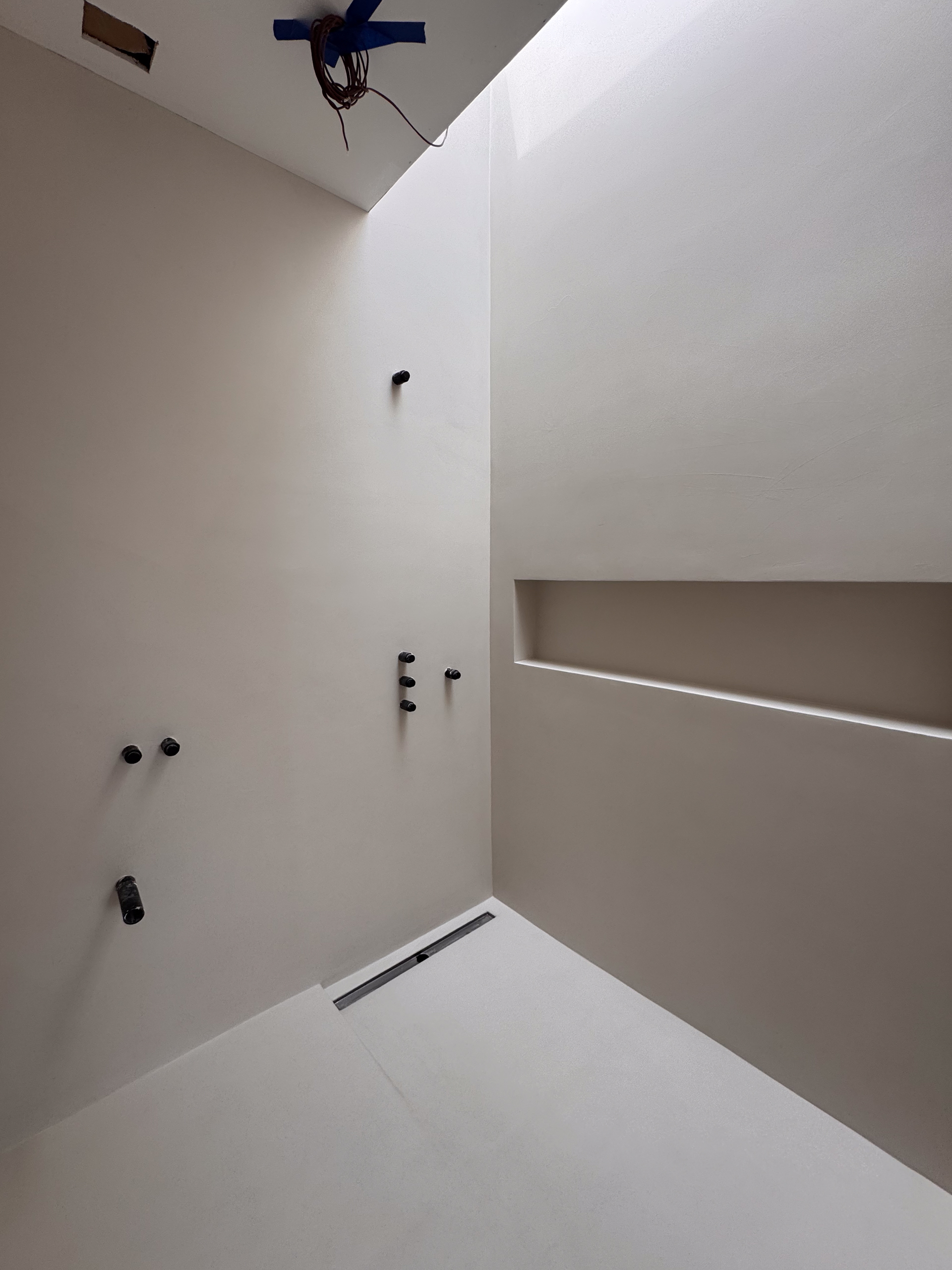
Microcement can create a seamless, grout-free finish in a shower when the complete wet-area system is designed for the application. The visible hand-trowelled layer is not a substitute for waterproofing.

For homeowners and designers considering a waterproof microcement shower in Toronto, we assess the substrate, falls to drain, waterproofing details at corners and penetrations, reinforcement, microcement layers and a compatible protective finish before recommending the system. That assessment lets us confirm whether a shower wall, floor, bench or niche is suitable for the intended use.

Two Ways to Plan a Microcement Bathroom

Microcement Installaion Over Tile – Oshawa

Why Choose a Professional Microcement Bathroom Installation?

A seamless finish depends on more than the visible microcement. The substrate must be sound and stable, and showers need correctly detailed waterproofing and drainage beneath the finish. We review the existing surface, wet-area details and intended use before recommending whether to prepare over suitable tile or build a new system.

For real examples of where the finish can be applied, explore our Microcement projects in Toronto and the GTA.


FAQs: Microcement Bathrooms and Showers in Toronto

Is microcement good for bathrooms and wet areas?2026-09-08T13:15:57-04:00

Microcement can be used in bathrooms and other wet areas when the complete system—including the substrate, preparation, waterproofing where required, microcement layers and compatible sealer—is correctly specified and installed. Suitability depends on the existing surface and how the area will be used, so we assess it before recommending a system.

Is microcement cheaper than tiling?2026-09-08T13:15:57-04:00

Not necessarily. The comparison depends on demolition, the condition of the existing surface, the tile being considered, the geometry of the room and the desired finish. Microcement may reduce demolition when the substrate is sound and suitable, but its value is primarily the seamless, hand-applied result rather than being the least expensive option.

Is it expensive to microcement a bathroom?2026-09-08T13:15:57-04:00

The investment varies with the size of the room, substrate condition, preparation, wet-area requirements, architectural details, chosen finish and sealing system. We assess those factors before preparing a project-specific quotation rather than relying on a generic square-foot figure.

Does microcement crack or go mouldy easily?2026-09-08T13:15:57-04:00

Like any applied finish, performance begins with the structure beneath it. Existing movement or cracking in an unstable substrate can transfer through a new surface, which is why assessment and preparation matter. A correctly installed and sealed, joint-free surface is straightforward to maintain, although ventilation and normal cleaning remain important in damp rooms.

Can microcement be applied directly over existing tiles or drywall?2026-09-08T13:15:57-04:00

Microcement can often be installed over existing tile or suitably prepared drywall, but it is not automatic. The substrate must be sound, stable and appropriate for the intended use. Some projects need repairs, reinforcement, levelling or a different build-up before the decorative finish can begin.

What is the lifespan of microcement?2026-09-08T13:15:58-04:00

Its service life depends on the substrate, preparation, system specification, traffic, cleaning and maintenance. Rather than promising a universal number, we recommend periodic inspection and resealing when the surface and its use call for it.

Can I DIY a microcement bathroom?2026-09-08T13:15:58-04:00

Bathrooms and showers are technically demanding because the decorative finish is only one part of the wet-area assembly. We recommend professional assessment and installation for these spaces. Professional kits may suit selected smaller projects, but wet rooms require careful substrate and waterproofing decisions.

What is the difference between Microcement, Epoxy, and Tadelakt?2026-09-08T13:15:58-04:00

Microcement is a cement-based, hand-applied finish that can be used across many floors, walls and architectural features when the system is correctly specified. Epoxy is resin-based and has a different visual and tactile character. Tadelakt is a traditional lime plaster with its own softly polished appearance and maintenance requirements. The right choice depends on the substrate, room, use and desired aesthetic.

Why has microcement become so popular in bathroom renovations recently?2026-09-08T13:15:58-04:00

Microcement creates a continuous surface without visually interrupting grout lines, while still allowing variation from the hand of the applicator. It works particularly well with curved forms, niches and integrated details, making it appealing for calm, contemporary bathrooms. Its suitability still depends on the substrate, wet-area construction and the selected sealing system.

What colour options are available for microcement for my project?2026-09-08T13:15:58-04:00

Microcement is available in a broad range of colours, from warm mineral neutrals and soft sands to architectural greys and deeper statement tones. During consultation, we consider the surrounding stone, wood, lighting and cabinetry so the finish feels integrated with the room rather than selected in isolation.

Go to Top